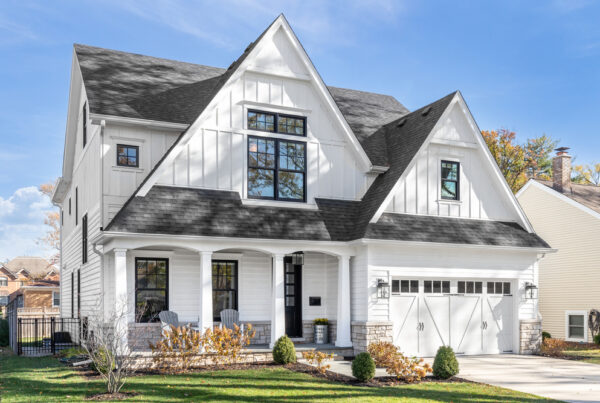

You found the house. You made an offer. Now it’s time to get homeowners insurance.
For many home buyers, insurance is treated as one more item on the closing checklist. But getting a homeowners insurance quote early in the process can be much more important than simply satisfying the mortgage lender.
The cost of homeowners insurance can have a meaningful impact on your total monthly housing payment. When combined with your mortgage, property taxes, and potentially other costs such as HOA fees or mortgage insurance, a higher-than-expected insurance premium can change whether a home comfortably fits within your budget.
This is particularly important for buyers purchasing homes throughout Chester County, Pennsylvania, including Exton, Kennett Square, Chester Springs, West Chester, Downingtown, and surrounding communities.
At Longen Group, we help home buyers evaluate their insurance options before closing so they can better understand the potential cost of insuring the property they are purchasing.
Why Should You Get a Homeowners Insurance Quote Before Closing?
A mortgage preapproval tells you how much you may be able to borrow. It does not necessarily tell you what the home will cost you every month once all of the expenses are added together.
Your actual monthly housing expense can include:
-
Mortgage principal and interest
-
Property taxes
-
Homeowners insurance
-
Mortgage insurance, if applicable
-
HOA or association fees
-
Flood insurance or other supplemental coverage, when required
-
Other property-related expenses
The Consumer Financial Protection Bureau recommends accounting for property taxes and homeowners insurance when determining what monthly home payment you can comfortably afford.
That means homeowners insurance should ideally be considered before you become too far committed to the purchase.
A simple example
Imagine a buyer is comfortable with a total housing payment of approximately $4,000 per month.
Their initial estimate looks like this:
-
Mortgage: $3,000
-
Property taxes: $750
-
Homeowners insurance: $250
-
Total: $4,000
But after making an offer, the buyer discovers that the property will cost $450 per month to insure.
Now the total is:
-
Mortgage: $3,000
-
Property taxes: $750
-
Homeowners insurance: $450
-
Total: $4,200
That $200 difference may not sound dramatic in isolation, but it adds up to $2,400 per year. More importantly, it can affect the buyer’s overall budget and, depending on the buyer’s financial situation and loan program, potentially affect qualifying ratios as well.
This is why getting an insurance quote as early as possible after an offer—or even before making an offer when feasible—can be a smart part of the home-buying process.
What Factors Most Commonly Affect a Homeowners Insurance Quote?
Insurance companies look at a combination of characteristics about the home, its location, its condition, and the buyer’s insurance history.
Two homes that appear very similar to a buyer may receive significantly different insurance quotes.
Here are some of the factors that can make the biggest difference.
1. The Age of the Home
The age of the house itself can affect insurance pricing and underwriting.
Older homes may have older construction materials and systems, including:
-
Plumbing
-
Electrical systems
-
Heating systems
-
Roofing
-
Windows
-
Foundations
-
Wiring and electrical panels
That does not mean an older home is automatically difficult or expensive to insure. A well-maintained historic or older Chester County home may be a very good insurance risk.
However, insurers may want more information about the condition and age of major systems.
For buyers looking at older homes in Kennett Square, Chester Springs, West Chester, or other established parts of Chester County, this is an important consideration.
The age of the home isn’t the only “age” that matters.
An insurance company may be much more interested in the age of the roof, heating system, electrical system, plumbing, and other major components than simply the year the house was built.
A 100-year-old home with a newer roof, updated electrical system, and modern plumbing may present a very different insurance risk from a 30-year-old home with an aging roof and original mechanical systems.
2. The Age and Condition of the Roof
The roof is one of the most important things to discuss when getting insurance on a home you are purchasing.
Why?
Because the roof protects the entire structure from weather-related damage, and replacing a roof can be a significant expense.
Insurance companies may consider:
-
Roof age
-
Roofing material
-
Condition
-
Previous roof repairs
-
Previous roof claims
-
Evidence of deterioration
-
Whether the roof has been replaced or updated
-
The expected remaining useful life of the roof
This can become particularly important when buying an older property.
For example, a seller might describe a roof as being “about 15 years old,” while an insurance company’s property information indicates something different. If the information doesn’t match, the buyer may need documentation, invoices, permits, or an inspection to establish the actual condition and age.
Do not wait until the week of closing to discover that the roof creates an insurance problem.
3. Prior Insurance Claims on the Property
One of the most overlooked issues for home buyers is the prior claims history associated with the property.
Many buyers understandably think:
“I’ve never filed a homeowners insurance claim, so my claims history is clean.”
That is important, but it may not tell the entire story.
Insurance companies can also consider the loss history of the property itself, including claims filed by previous owners.
For example, a home listed for sale may have had previous claims involving:
-
Roof damage
-
Water damage
-
Plumbing leaks
-
Fire
-
Wind or storm damage
-
Other property losses
A previous claim does not necessarily mean a buyer cannot obtain insurance. The impact depends on the type of claim, when it occurred, the circumstances, repairs that were made, and the underwriting guidelines of the insurance company.
But buyers should know about significant prior claims before they assume the property will receive a standard insurance quote.
Longen Group has previously written about how prior roof claims can create unexpected homeowners insurance challenges for buyers in Chester County, even when the damage has already been repaired.
Why this matters when you’re buying a home
Imagine you make an offer on a home and assume your homeowners insurance will cost $150–$200 per month.
Then the insurance company discovers multiple prior water or roof claims associated with the property.
The quote may come back higher—or the property may not fit that insurer’s underwriting guidelines at all.
That is information you want before you’re at the closing table.
4. The Cost to Rebuild the Home
Another common misconception is that homeowners insurance is primarily based on the home’s purchase price.
It isn’t that simple.
Insurance is generally concerned with the amount it could cost to repair or rebuild the home, rather than simply what the buyer paid for the property.
A home’s market value can include the value of the land, location, neighborhood, and other factors that aren’t necessarily part of the cost to reconstruct the physical building.
This is particularly relevant in Chester County, where home prices can vary considerably between communities.
A $700,000 home in one location does not necessarily have the same insurance exposure as a $700,000 home somewhere else.
The home’s size, construction, features, materials, and replacement-cost characteristics can all matter.
5. Construction Type and Building Materials
Insurance companies can also look at how the home is constructed.
Examples include:
-
Frame construction
-
Masonry
-
Brick
-
Stone
-
Stucco
-
Specialty construction
-
Custom features
-
Unique architectural details
Certain materials or construction types may cost more to repair or replace.
This can be particularly relevant when buying a distinctive or higher-value home in areas such as Chester Springs or Kennett Square, where buyers may encounter older stone homes, custom construction, larger properties, and unique architectural features.
6. Plumbing, Electrical, Heating, and Other Major Systems
The age and condition of major systems can affect underwriting and pricing.
A quote may involve questions about:
Plumbing
Older plumbing can present a greater risk of leaks or water damage.
Electrical
Older electrical systems may require additional underwriting review or updates.
Heating
The type and age of the heating system can affect the quote.
Water heating
The age and type of water heater may also be relevant.
Updates and renovations
A recently renovated home may have newer systems, but insurers may want documentation about what was replaced and when.
When buying an older home, it is worth gathering as much information as possible about these systems before requesting the quote.
7. Location and Property Characteristics
Where the home is located matters.
Insurance companies can consider characteristics associated with the property’s location and surrounding risks.
For Chester County buyers, that could include factors such as:
-
Distance to fire protection
-
Local fire protection classification
-
Weather exposure
-
Flood risk
-
Property characteristics
-
Accessibility for emergency services
-
Other location-specific underwriting factors
This is another reason why you shouldn’t assume that a homeowners insurance quote from your current home will accurately predict what it will cost to insure your new home.
The quote needs to be based on the specific property you are buying.
8. The Home’s Prior Maintenance and Improvements
A house that has been properly maintained and updated can present a different insurance profile than one with aging or poorly maintained components.
When possible, buyers should ask the seller or listing agent for information about:
-
Roof replacement
-
HVAC replacement
-
Plumbing updates
-
Electrical upgrades
-
Renovations
-
Water mitigation or remediation
-
Major repairs
-
Previous insurance claims
Documentation can be especially helpful.
Receipts, permits, contractor invoices, inspection reports, and other records may help an insurance agent and carrier understand the property more accurately.
9. The Buyer’s Own Insurance History
The property isn’t the only thing insurers consider.
The buyer’s own insurance history can also be relevant when determining eligibility and pricing.
For example, insurers may consider previous homeowners claims associated with the applicant.
This is different from the property’s claims history, which is why it is important to distinguish between:
“Have I personally filed a claim?”
and
“Has this property had claims?”
Both can matter.
10. Coverage Choices and Deductibles
The price of a homeowners policy isn’t determined entirely by the house.
The coverage you select also matters.
For example, buyers may have choices involving:
-
Deductible amounts
-
Personal property coverage
-
Liability coverage
-
Water backup coverage
-
Service line coverage
-
Scheduled personal property
-
Other endorsements
A higher deductible can sometimes reduce the premium, while additional coverage can increase it.
But the cheapest policy isn’t necessarily the best policy.
Pennsylvania’s Insurance Department recommends that homeowners shop around and compare both coverage and price.
Why Getting an Insurance Quote Early Can Protect Your Home-Buying Budget
This is the biggest reason we encourage buyers to get an insurance quote early.
You may have carefully calculated what you can afford based on:
Mortgage + Property Taxes = Monthly Housing Cost
But your actual cost is closer to:
Mortgage + Property Taxes + Homeowners Insurance + Other Applicable Costs = Total Monthly Housing Cost
If insurance is substantially higher than expected, you may discover that the home is less affordable than it appeared when you made the offer.
And if your mortgage payment includes an escrow account, the insurance premium is generally part of the amount being collected for the total monthly payment.
The CFPB specifically advises buyers to estimate homeowners insurance and property taxes when determining an affordable monthly payment.
The earlier you know the number, the more options you have.
You may be able to:
-
Compare different insurance carriers
-
Adjust coverage or deductibles
-
Investigate why the premium is higher
-
Obtain documentation about the property
-
Address underwriting concerns
-
Revisit your overall home-buying budget
-
Discuss the situation with your lender, Realtor, or other professionals
Waiting until the last minute gives you fewer opportunities to solve a problem.
Buying a Home in Chester County? Get the Insurance Quote Early.
Whether you’re purchasing a home in Exton, Kennett Square, Chester Springs, West Chester, or another Chester County community, homeowners insurance should be part of the financial conversation from the beginning.
A house that looks affordable based on the purchase price and mortgage payment may have a very different monthly cost once insurance and property taxes are factored in.
And sometimes the issue isn’t simply the premium.
A prior roof claim, an aging roof, older plumbing, outdated electrical systems, or other property characteristics could affect which insurance companies are willing to write the home and what they will charge.
At Longen Group, our goal is to help home buyers understand these issues before they become a closing-day surprise.
Getting a Homeowners Insurance Quote for a Home You’ve Made an Offer On
If you’ve made an offer on a home in Chester County, Exton, Kennett Square, Chester Springs, or the surrounding area, send us the property information as early as possible.
We’ll help you explore your homeowners insurance options and identify potential underwriting concerns so you have a better understanding of the cost of insuring the home.
Don’t wait until you’re days away from closing to find out what the home will cost to insure.
[Contact Longen Group for a homeowners insurance quote]Frequently Asked Questions About Homeowners Insurance When Buying a Home
1. Can a previous owner’s insurance claim affect my homeowners insurance quote?
Yes. Insurance companies may consider the loss history associated with the property, not just the new buyer’s personal claims history. A previous roof, water, fire, or other property claim does not automatically prevent you from obtaining insurance, but it can affect underwriting and pricing.
2. Does the age of a house affect homeowners insurance rates?
It can. Older homes may have older plumbing, electrical, heating, roofing, and other systems that can affect an insurer’s assessment of risk. However, the age of the house alone does not determine the premium. Updates and the condition of major systems can also be important.
3. Does the age of the roof affect my insurance premium?
Yes, the roof’s age and condition can be important factors. Some insurers have specific underwriting requirements concerning roof age and condition. Buyers should find out the actual roof age before assuming a property will qualify for a particular policy.
4. Should I get homeowners insurance quotes before closing?
Yes. Getting a quote early can help you understand your actual monthly housing costs and identify potential insurance problems before closing. Pennsylvania’s Insurance Department also recommends shopping around and comparing coverage and price.
5. Can a high insurance premium affect how much house I can afford?
It can affect your overall affordability. Your total housing costs can include the mortgage, property taxes, homeowners insurance, and other expenses. A higher insurance premium increases the total monthly cost of owning the home and may affect the budget you are comfortable with or, depending on the loan situation, the ratios used in qualification.
6. Is homeowners insurance based on the home’s purchase price?
Not necessarily. The insurance amount is generally related to the estimated cost to rebuild the home and other coverage considerations rather than simply the home’s market value or purchase price.
7. What information should I provide when getting a quote on a home I’m buying?
The insurance agent will generally need information about the property, including its address, construction, age, size, roof, major systems, and other characteristics. Information about prior claims, updates, renovations, and the property’s features can also be important. Providing accurate information helps the insurer produce a more reliable quote.
8. When should I contact Longen Group for a homeowners insurance quote?
As soon as possible after you identify a property you’re serious about—and ideally before you are too far into the transaction. If you’ve already made an offer on a home in Chester County, Exton, Kennett Square, Chester Springs, or nearby communities, it’s a good time to start the insurance process.
Final Takeaway
Homeowners insurance shouldn’t be an afterthought when you’re buying a home.
Before committing to a mortgage, you want to understand the complete monthly cost of the property—including insurance and taxes.
Getting an early insurance quote can uncover issues involving the age of the home, roof age, prior claims, property condition, construction, location, and other underwriting factors.
Most importantly, it gives you information while you still have time to make informed decisions.
Buying a home is a major financial commitment. Knowing what it will actually cost to insure before closing is one more way to make sure the home you love is also a home you can comfortably afford.
Longen Group — Homeowners Insurance for Chester County, PA, including Exton, Kennett Square & Chester Springs.