
When Routine Maintenance Turns Into a Six-Figure Claim: Insurance Risks for Auto Repair Shops
For most auto repair shops, routine maintenance jobs like oil changes and inspections are the backbone of daily business. These services are performed hundreds of times each month and are generally considered low risk.
However, when a high-value vehicle is involved, even a routine service appointment can quickly turn into a major insurance claim.
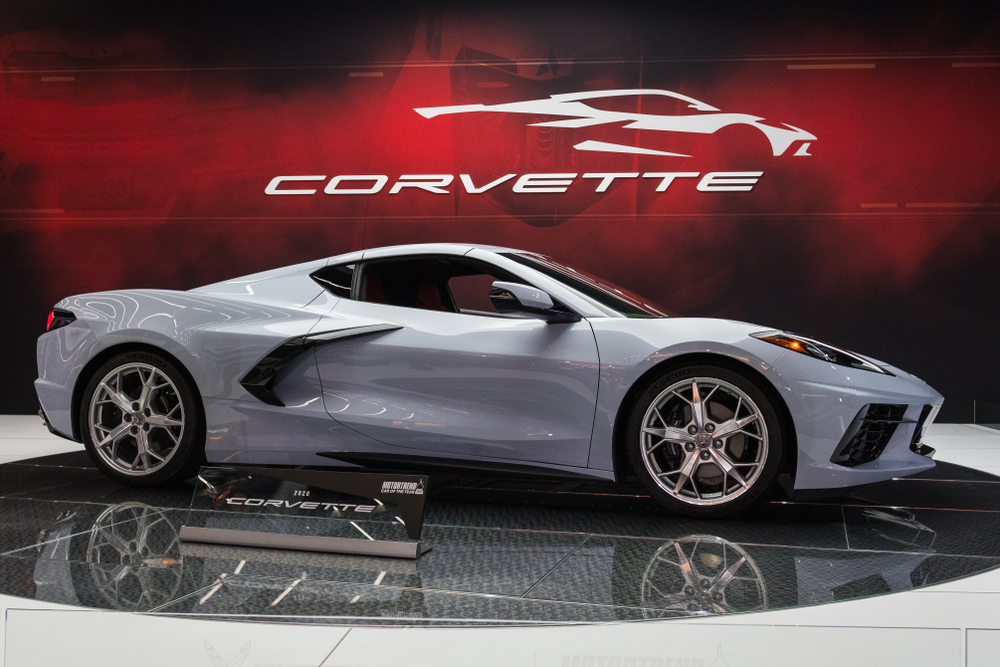
A recent incident involving a Chevrolet Corvette C8 Z06 highlights how quickly things can go wrong—and why Garage Owners insurance coverage is critical for repair shops, dealerships, and service centers.
A Routine Inspection That Went Very Wrong
According to a report from Torque News, a nearly new 2024 Corvette Z06 with about 3,000 miles was brought to a dealership after the owner noticed a potential oil leak following its first oil change.
During the inspection process, the vehicle was placed on a service lift. Unfortunately, the Corvette fell off the lift, causing significant damage to the high-performance sports car.
While incidents like this are rare, they represent one of the most common exposures for repair facilities: damage to a customer’s vehicle while it is in the shop’s care, custody, or control.
For most businesses in the automotive service industry, this type of event would trigger a claim under their Garage Owners policy, specifically the Garagekeepers coverage portion.
Why High-End Vehicles Increase Insurance Risk for Auto Shops
Working on exotic or high-performance vehicles introduces several additional risks for service businesses.
1. Specialized Lifting Requirements
Vehicles like the Chevrolet Corvette C8 have unique designs, including mid-engine layouts and specific lift points.
If a technician places lift arms incorrectly—even slightly—it can destabilize the vehicle while it is elevated.
Shops that primarily work on standard vehicles may not always be familiar with the special procedures required for high-performance models.
2. Low Ground Clearance and Performance Components
Performance vehicles are designed for speed and aerodynamics, not necessarily for easy servicing.
They often feature:
-
Extremely low ride height
-
Wide wheel track and aggressive bodywork
-
Carbon fiber or composite panels
-
Sensitive aerodynamic components
These design elements can make it more difficult to position the vehicle properly on a lift, increasing the chance of damage during routine service.
3. Repair Costs Can Escalate Quickly
High-performance vehicles like the Chevrolet Corvette Z06 are built with specialized materials and components that can be extremely expensive to repair or replace.
Damage from a lift fall could involve:
-
Frame or structural damage
-
Suspension components
-
Carbon fiber body panels
-
Engine or drivetrain damage
Repairs for vehicles in this class can easily reach tens or even hundreds of thousands of dollars, depending on the severity of the incident.
What Coverage Responds to This Type of Claim?
For auto repair shops, dealerships, and service centers, incidents involving customer vehicles are typically handled under Garagekeepers insurance, which is part of a Garage Owners policy.
This coverage is designed to protect businesses when a customer’s vehicle is damaged while:
-
Being serviced
-
Stored at the facility
-
Test driven by employees
-
Parked on the shop’s premises
Depending on the policy structure, the coverage may address:
-
Vehicle repair or replacement
-
Property damage liability
-
Potential diminished value claims
-
Legal defense if a dispute arises
Without the proper coverage limits, a serious accident involving a luxury vehicle could create significant financial exposure for the shop owner.
Risk Management Tips for Auto Repair Businesses
While insurance protection is essential, prevention is always the best strategy. Repair shops can reduce their risk exposure by implementing strong operational procedures.
Technician Training
Ensure technicians are trained to handle specialty vehicles and understand manufacturer-recommended lift points and service procedures.
Equipment Inspection and Maintenance
Regularly inspect service lifts, adapters, and support equipment to ensure they are functioning properly and safely.
High-Value Vehicle Procedures
Some repair facilities implement additional safeguards when servicing luxury or exotic vehicles, such as:
-
Double-checking lift placement
-
Supervisory review before lifting
-
Using specialty lift adapters
Review Insurance Limits Regularly
As vehicle values continue to increase, shops should regularly review their Garagekeepers limits and deductibles to ensure they reflect current exposure levels.
How an Independent Insurance Agent Can Help
Incidents like this highlight why proper insurance planning is so important for automotive businesses. An experienced independent insurance agent can help garage owners evaluate their operations and ensure their Garage Owners policy and Garagekeepers coverage limits are appropriate for the types of vehicles they service.
Independent agents work with multiple insurance carriers, allowing them to compare coverage options, identify potential gaps, and tailor a policy to the unique risks of a repair shop, dealership, or service facility. By working with a knowledgeable advisor and reviewing your coverage regularly, garage owners can better protect their business from the financial impact of unexpected incidents—even during routine maintenance. Businesses looking to review their protection can learn more about garage repair shop insurance and the coverage options available to help safeguard their operations. 🚗🔧